


WHAT IS ZEN TEA? A QUIET RITUAL THAT TRANSFORMS YOUR AFTERNOON
What is Tea Meditation? A Definition for First-Time Listeners
Tea meditation is a method where the practitioner can meditate while observing the color, and enjoying the aroma and taste of tea. Simply put: it is meditation through the act of brewing and drinking tea, where every movement—boiling water, pouring tea, raising the cup, and taking each sip—is done in complete mindfulness.
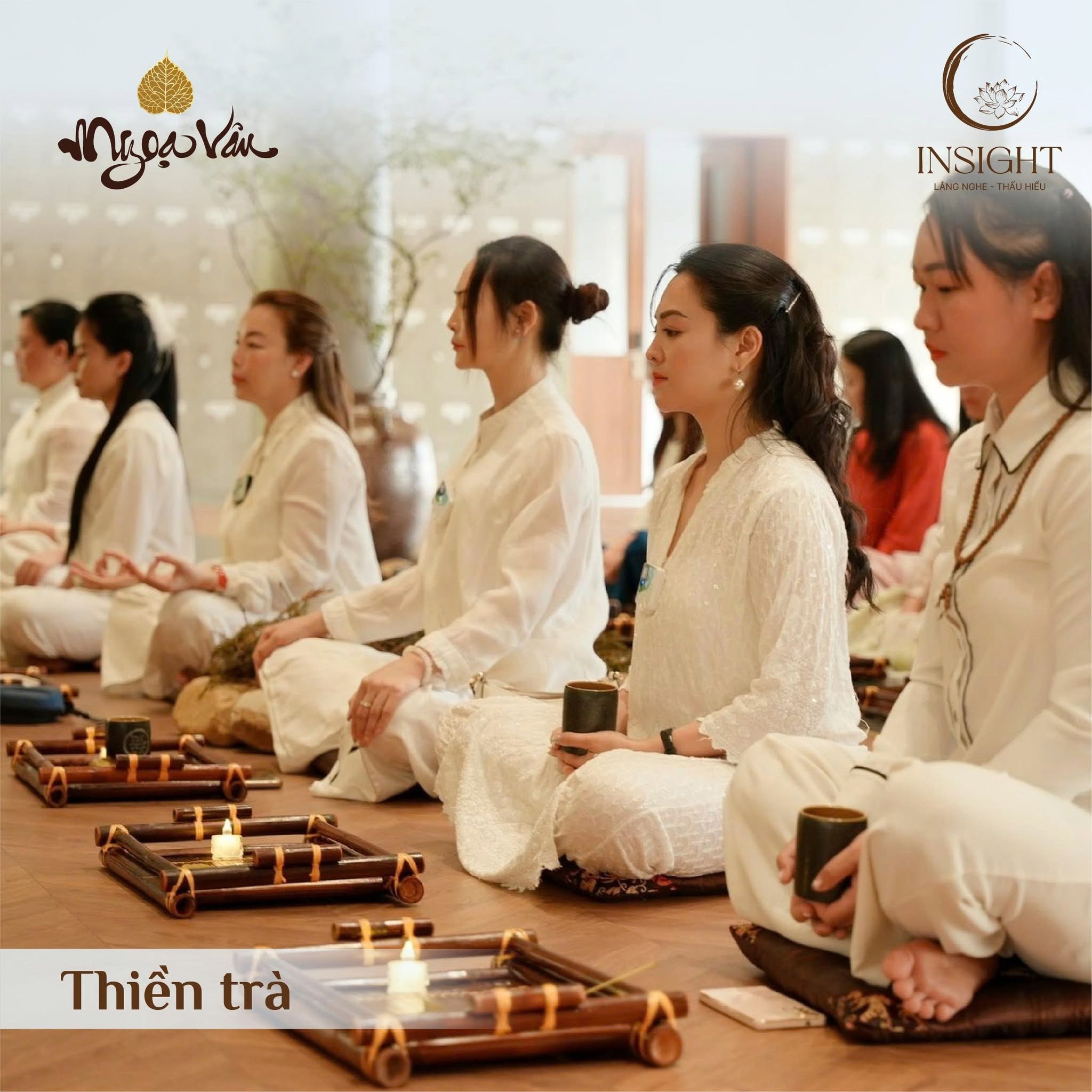
Venerable Thich Truc Thai Minh shared: "Meditation is the art of bringing the mind back to itself. Zen masters borrow a cup of tea to bring the mind back to oneself. Our senses are so vividly engaged every day that we forget the moment of reality."
This is not a complex ritual or exclusive to monastics. Tea meditation is truly meaningful not only in Buddhism you can enjoy tea alone every day, sit still, and drink tea leisurely. This is also an opportunity to nourish and heal the body and mind.
Over 1,700 Years of History: How Have Tea and Zen Intertwined?
To understand tea meditation, we need to know why tea and Zen "fell in love" with each other and this bond began long before we were born.
The first people to know how to use tea leaves (Camellia Sinensis) were Zen masters. They noticed that brewing and drinking tea kept them alert and prevented sleepiness during meditation. Zen and tea have had an affinity in history for over a thousand years. In any Zen monastery, practitioners drink tea. Brewing tea for the congregation has become a ritual because the tea maker must practice mindfulness while brewing tea.
Tea Meditation originated at Tanzhe Temple during the Eastern Jin Dynasty (265–316) in China, over 1,700 years ago. From there, tea meditation culture spread across Asia to Japan, Korea, Vietnam each place absorbing and developing it according to its own identity.
Tea was brought back by Japanese monks from China in the 8th century and was developed into a religious and philosophical ritual called the Way of Tea (Chado/Sado). Zen Master Sen no Rikyū (1522–1591) perfected the art of the Way of Tea emphasizing 4 values: Wa (harmony between people and nature), Kei (respect), Sei (purity), and Jaku (tranquility).
In Vietnam specifically, tea meditation retains the Vietnamese language and cultural identity with its inherent beauties from ancient times, gentler and more relaxed compared to Japanese tea meditation.
And an interesting fact few people know: in the family tradition of Buddhist Emperor Tran Nhan Tong the founder of Vietnam's Truc Lam Zen Sect tea also made an appearance. Thanks to the ideological unification between drinking tea and Zen Buddhism, tea drinking culture has been preserved through many historical ups and downs.
"Zen and Tea Are One Flavor" The Thousand-Year-Old Zen Saying and Its True Meaning
In tea meditation culture, there is a famous Zen saying passed down through many generations: "Thiền Trà Nhất Vị" Zen and Tea are one flavor.
This saying fully expresses the meaning of the combination and convergence of tea and Zen: meditating while enjoying tea, and enjoying tea to realize the Zen mind. Zen and tea both share the same purpose: seeking the sublimation and purity of the soul, helping to comprehend nature and the true essence of human nature.
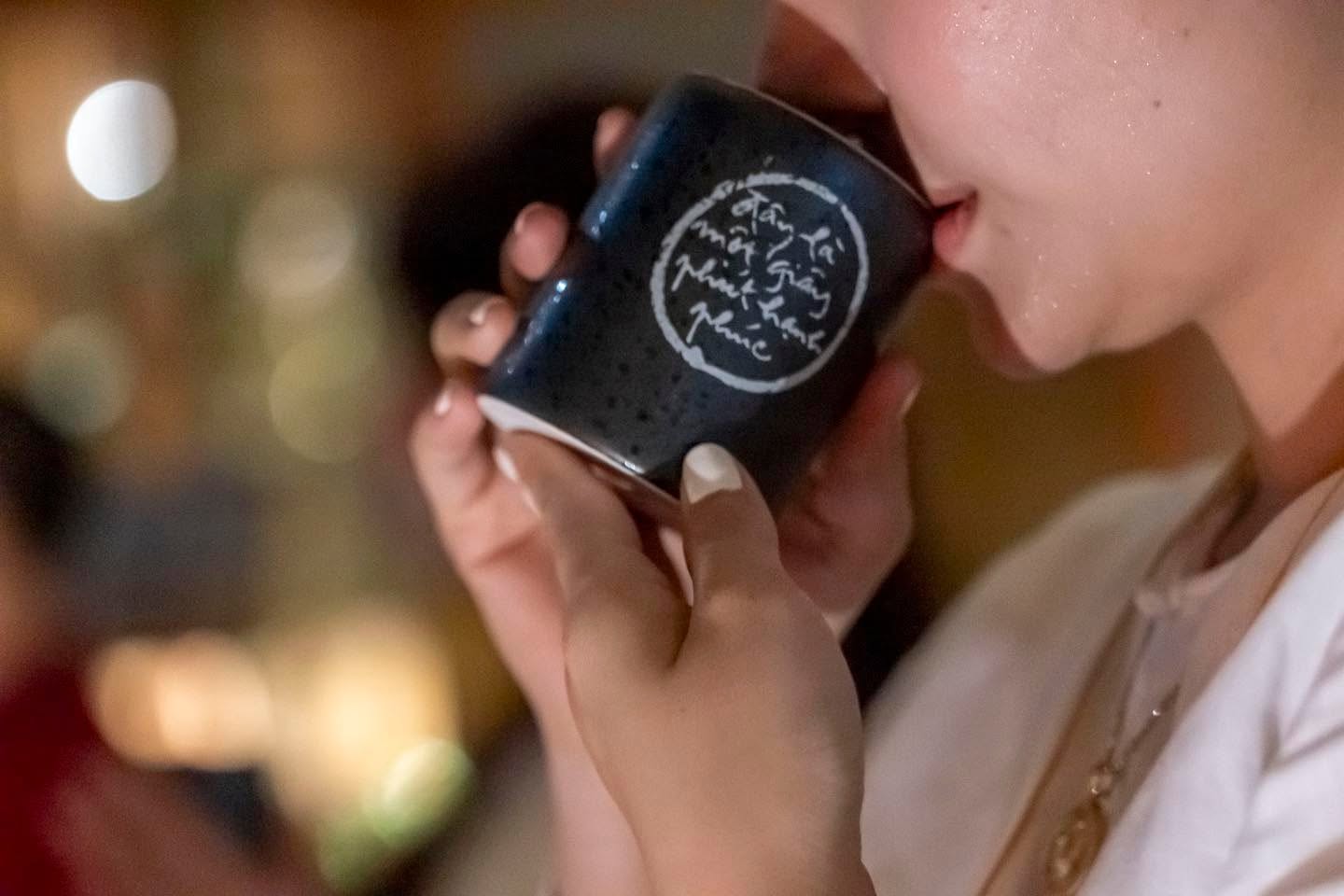
It sounds philosophical but is actually very concrete. When you brew a pot of tea with a mind fully attentive to following every movement, feeling the water temperature, hearing the boiling water, seeing the color of the poured tea you are practicing meditation. No need to sit in full lotus. No need to chant sutras. Just be completely present in every small gesture.
Why is Tea Meditation Difficult Even Though It Looks Very Simple?
This is something that surprises most beginners trying tea meditation: drinking tea slowly in silence is much harder than imagined.
It's not technically difficult. But difficult because our brains after years of being constantly stimulated by notifications, scrolling feeds, and multitasking have gradually lost the ability to stay with one thing in one moment.
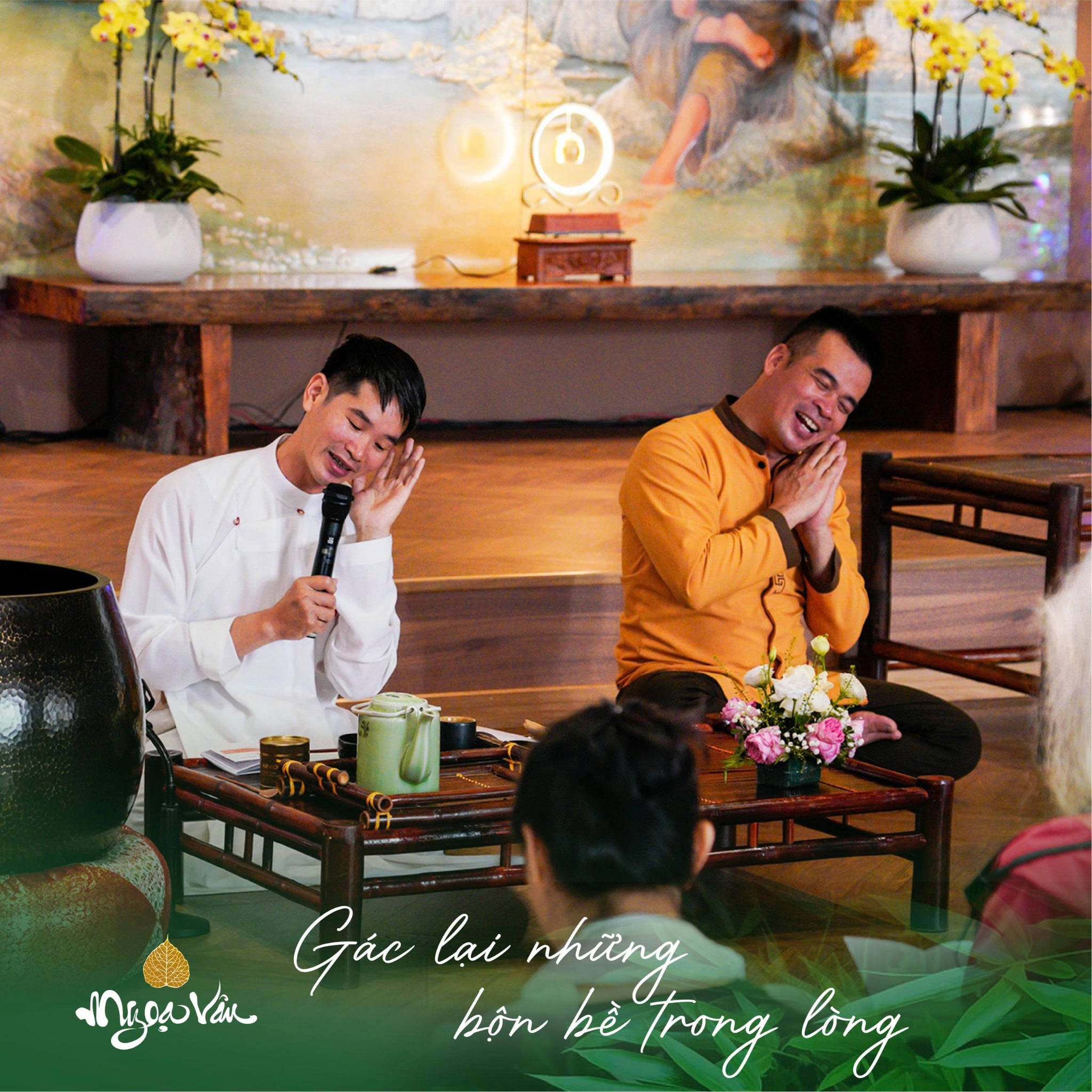
The reality is: the average modern person checks their phone over 96 times a day which means once every 10 minutes. The brain is so used to jumping from one stimulus to another that true silence even for just 5 minutes becomes uncomfortable.
And that is exactly why tea meditation is so valuable: it trains the brain in a forgotten skill the skill of paying attention to one thing, to the very end, without rushing to something else.
What Does Science Say About Tea Meditation?
Although "tea meditation" does not have many separate studies yet, what science has proven about mindfulness meditation the foundation of tea meditation is very clear:
Reducing cortisol the stress hormone: In an 8-week study, mindfulness meditation reduced the inflammatory response caused by stress including lowering the levels of the hormone cortisol, which causes sleep disorders, depression, anxiety, and high blood pressure.
Improving emotional regulation: People experienced in mindfulness meditation practices can regulate their emotions better, meaning they focus more on the present reality even when facing unpleasant emotional triggers.
Increasing focus and memory: Mindfulness meditation can reduce distractibility and improve problem-solving abilities. Meditation practice promotes neuroplasticity the brain's ability to adapt and form new neural connections.
Reducing anxiety and depression: According to Clinical Psychology Review, mindfulness therapy can reduce stress, anxiety, and depression related to physical illnesses or psychological disorders.
The special feature of tea meditation compared to regular sitting meditation is: it is much easier to start because there is a specific object to focus on the teacup, the heat, the color, the aroma. For beginners, "thinking of nothing" is almost impossible. But "paying attention to this teacup" can be done immediately.
Standard Tea Meditation Ritual Step-by-Step Practice
You don't need a special space, you don't need expensive tea, you don't need to know much about meditation. Here is the simplest way to practice tea meditation that anyone can start today:
Preparing the Space 5 Minutes
Choose a quiet corner. Turn off the TV, turn off music, turn off phone notifications. No need for complete silence the sound of rain, wind, and birds is fine. Just no human-made noises.
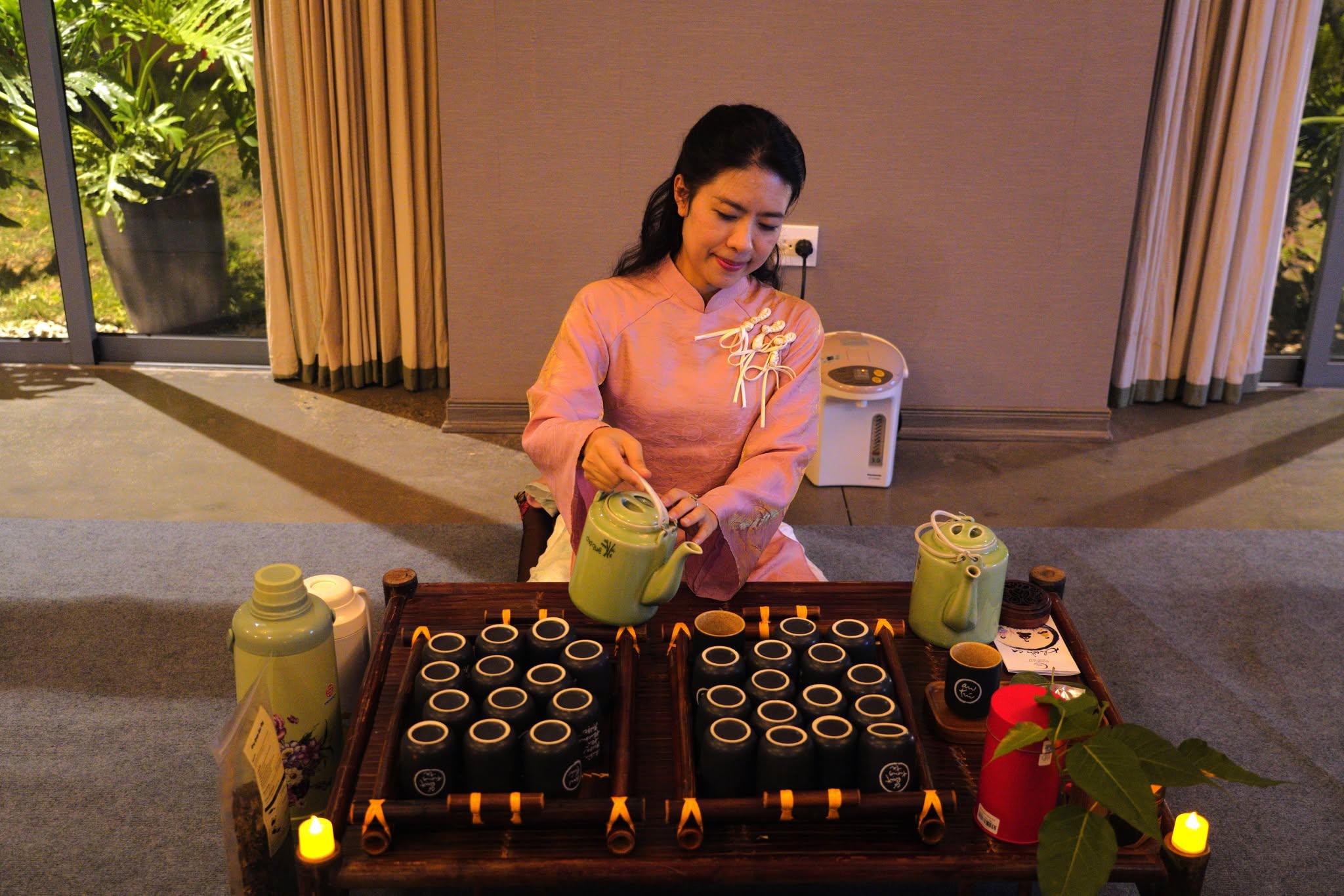
Place the teapot, cups, and tea tray in front of you. Sit comfortably no need to sit in full lotus, just sit with your back straight.
Boiling Water Meditation Begins Here
The tea maker must practice mindfulness while brewing tea. The tea master follows their breath and is aware of their every movement. Every gesture is leisurely, careful, beautiful, and coupled with mindfulness.
When boiling water: listen to the sound of water starting to boil. Observe the rising steam. This is not waiting time this is the first part of the meditation session.
Brewing Tea Every Movement is a Breath
Rinse the teapot with hot water. Feel the warmth through the wall of the pot. Add the tea look at the dry tea leaves, smell the unbrewed tea aroma. Pour water into the pot watch the tea color slowly spread, smell the rising tea aroma.
This is when tea meditation is completely different from normal tea brewing: you do nothing else while waiting for the tea to steep. You just sit, observe, and breathe.
Pouring Tea Paying Attention to Color and Steam
Pour the tea into small cups. Look at the pale yellow, amber, or deep red tea color depending on the type of tea. Look at the thin steam rising from the cup.
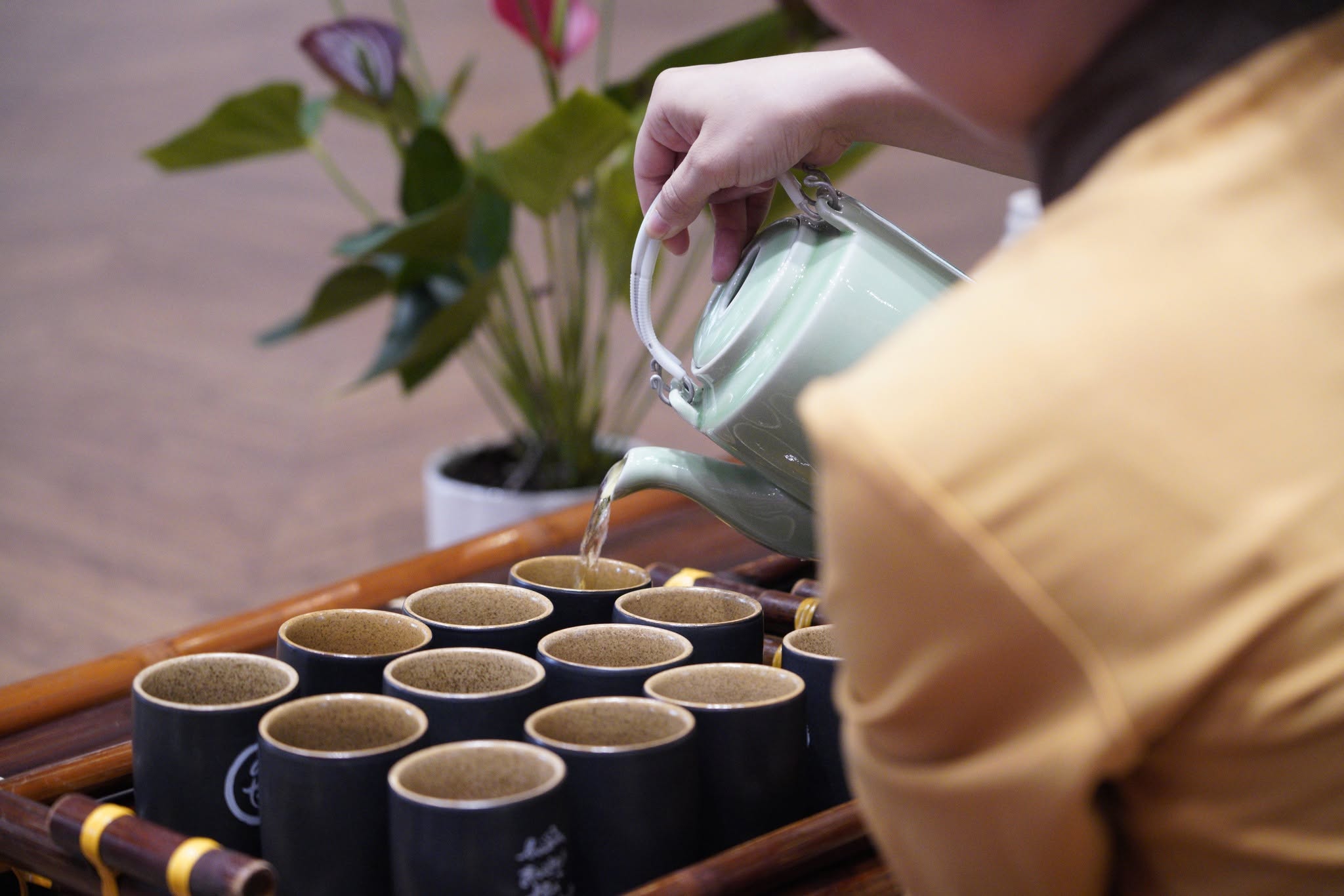
Do not drink in a rush. Hold the cup with both hands. Feel the warmth transmitting through your palms. Bring the cup close to your face take a long breath through your nose. Let the tea aroma enter your lungs.
Drinking the First Sip The Most Important One
Take a small sip. Keep the tea in your mouth for a few seconds before swallowing. Pay attention to: the sweetness at the tip of the tongue, the slight astringency at the back of the throat, the warmth spreading down the chest.
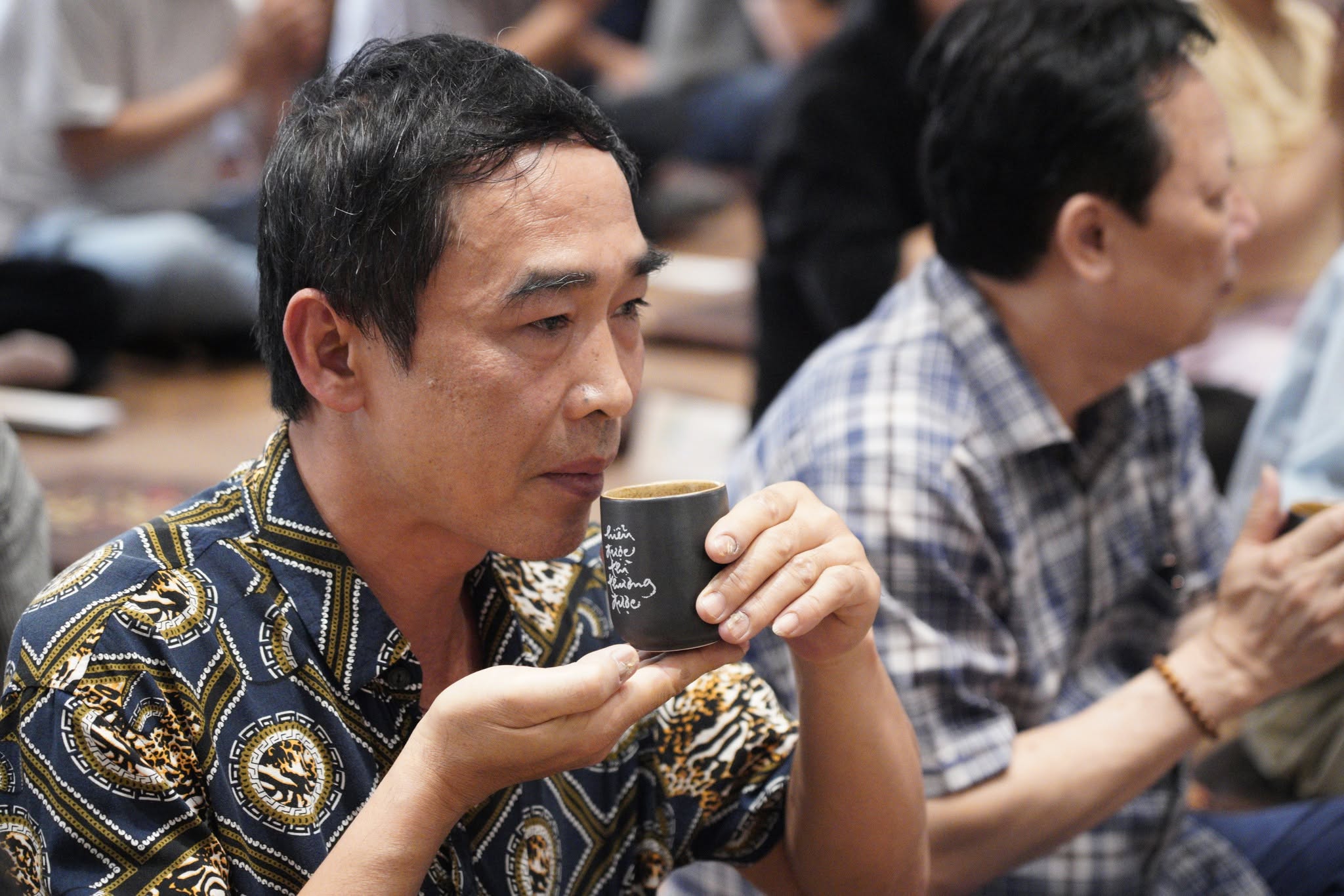
Sometimes we set aside two hours just to drink one cup of tea and eat a small cake. While partaking in tea meditation, we feel relaxed, peaceful, and happy. We live completely in the present moment.
You don't need two hours. Even 20 minutes of being truly present with a cup of tea is enough to change your entire afternoon.
Why is the Afternoon the Most Ideal Time for Tea Meditation?
It is no coincidence that the title of this article mentions the afternoon.
Mornings are usually busy and rushed not the best time to start a ritual that requires slowness. Evenings after eating, people are tired and tend to prefer entertainment over calming the mind.
But the afternoon especially around 3 PM - 5 PM is the time when energy starts to dip, the mind is full of stimuli from morning until now, and the body begins to send a signal: a real rest is needed. This is when tea meditation is most effective.
An afternoon with tea meditation is not like a normal afternoon. When you spend 20-30 minutes sitting still with a cup of tea doing nothing else the entire rest of your afternoon will have a different quality. The mind is clearer. Emotions are calmer. Subsequent decisions are usually better.
Tea meditation helps people center their minds, changing their way of living and making decisions more rationally when handling work.
Tea Meditation at Ngoa Van When Ritual Meets Sanctuary
You can practice tea meditation anywhere. But there are places where this small ritual becomes exponentially deeper because the environment resonates with the inner self.
Truc Lam Zen Hall at Ngoa Van Zen Village is one of the rare places in Northern Vietnam that provides the truest tea meditation experience not because of a luxurious space, but for deeper reasons.
First: A millennium-old Zen lineage. Ngoa Van is the sanctuary of the Truc Lam Zen Sect a Zen lineage founded by Buddhist Emperor Tran Nhan Tong over 700 years ago, a Zen lineage where tea has been an inseparable part. When you drink tea in the Truc Lam Zen Hall, you are continuing a continuous spiritual cultural lineage from the 13th century to today.

Second: A space with nothing to distract you. No WiFi, no car horns, no screens. Only the lacquer painting "Supreme Wisdom and Freedom" on the wall, the faint scent of agarwood, and the afternoon light filtering through the wooden window. In that space, tea meditation requires no effort it happens naturally.
Third: Set in the context of a full day of pilgrimage. When the afternoon tea meditation comes after a morning of pilgrimage to Ngoa Van Hermitage, climbing Khoi Nguyen Slope, and sitting amidst the enveloping white clouds that cup of afternoon tea has a depth that cannot be found in any tea house in the city.
Many people recount that it was the first time they truly drank tea not the first time in their lives, but the first time in the sense of: being completely there, with that cup of tea, in that moment.

 Ngày
31/07/2026
Ngày
31/07/2026


