


WHERE AN EMPEROR ENTERED NIRVANA: THE 700-YEAR UNBROKEN LEGACY OF NGOA VAN HERMITAGE
From the throne to a small hermitage on the peak of clouds
In August 1299, after having twice joined the army and people of Dai Viet to defeat the powerful Mongol empire, Retired Emperor Tran Nhan Tong renounced the throne and entered Yen Tu mountain to practice asceticism. He took the title Huong Van Dai Dau Da (The Great Ascetic of Fragrant Clouds), later changed to Truc Lam Dai Si (Great Master of Bamboo Forest), and it was from here that the Truc Lam Yen Tu Zen Sect - the first purely Vietnamese Zen lineage - was founded.
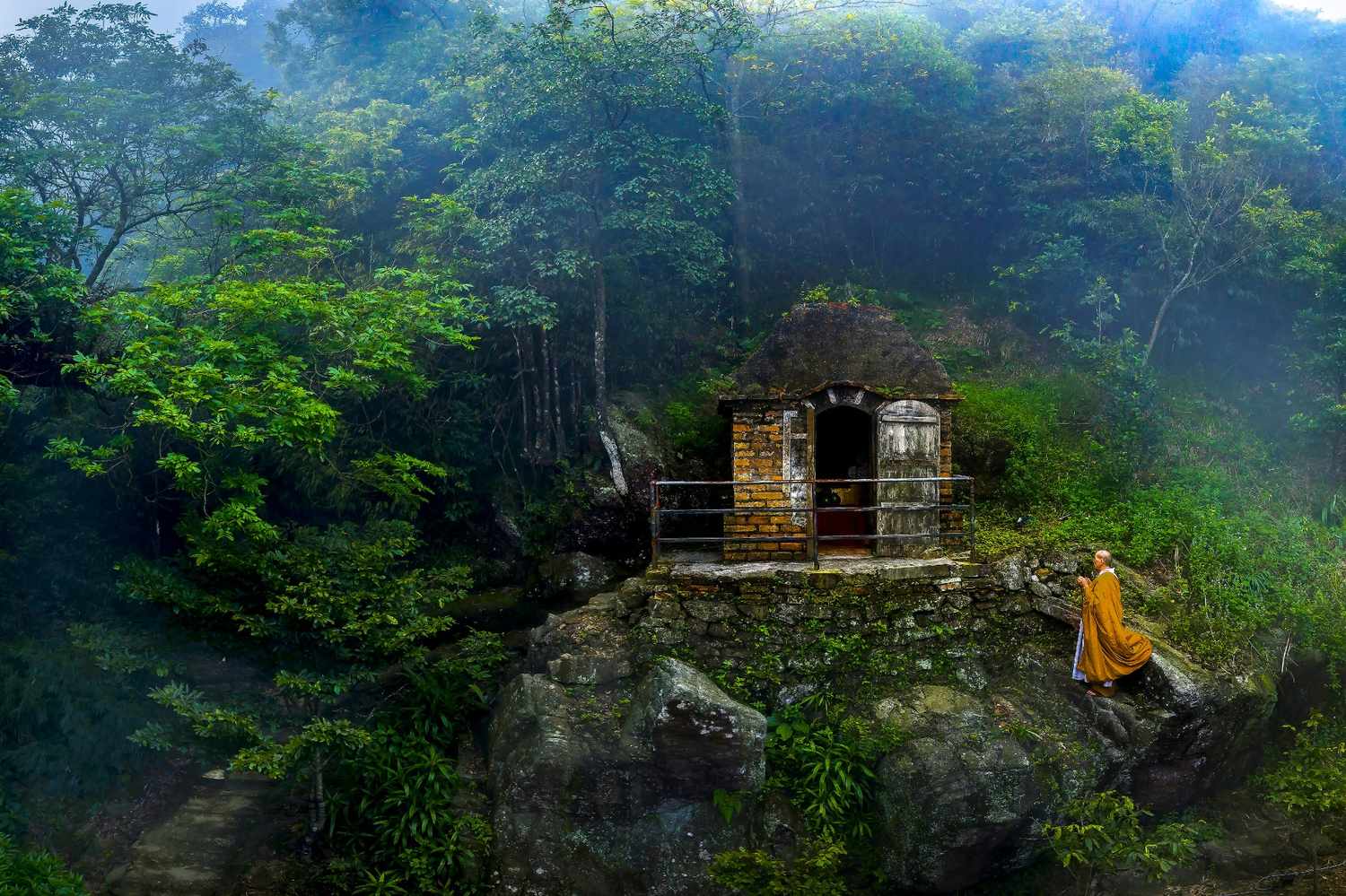
After nearly a decade of practice, in May 1307, according to the Complete Annals of Dai Viet, Great Master Truc Lam went up to build a small hermitage on the peak of Ngoa Van mountain in the Bao Dai range - where clouds tightly cover the peak all year round - to serve as the final place of practice in his life. The name "Ngoa Van" meaning "sleeping cloud" was born from that very mystical scenery.
The 1st day of the 11th lunar month in the year of Mau Than (1308): the moment of entering Nirvana
Just over a year after building the hermitage, on the 1st day of the 11th lunar month in the year of Mau Than (1308), Buddhist Emperor Tran Nhan Tong peacefully entered Nirvana right at Ngoa Van Hermitage, at exactly 51 years old. This was the final stop in his journey from a wise emperor to an enlightened true ascetic - who is revered by later generations as the Great Saint of the Tran Dynasty, Ascetic of the Bamboo Forest, Pure Wisdom, Enlightened Emperor, Master, and Patriarch Buddha, or more simply, the "Buddha King of Vietnam".
After He attained Buddhahood, the second Patriarch of the Truc Lam Zen Sect, Phap Loa, organized the cremation ceremony right at Ngoa Van, collecting thousands of sarira (relics). The Buddhist Emperor's sarira were then enshrined in many places: Ngoa Van Hermitage, Quynh Lam Pagoda, Hue Quang Stupa at Yen Tu, and Quy Duc Mausoleum in Long Hung prefecture (Thai Binh) - spreading His imprint across the land He once wholeheartedly protected.
Ngoa Van Hermitage architecture - remaining traces through the centuries
Enduring over 700 years of changes, the Ngoa Van Hermitage area still preserves many precious traces. The most prominent are two ancient stupas: Doan Nghiem Stupa - the tomb stupa of Zen Master Duc Hung, who was credited with restoring the pagoda during the Later Le dynasty, and the Buddhist Emperor Stupa - where the three words "Phật Hoàng Tháp" are carved in relief, inside which is a blue stone memorial tablet, housing a portion of His sarira.
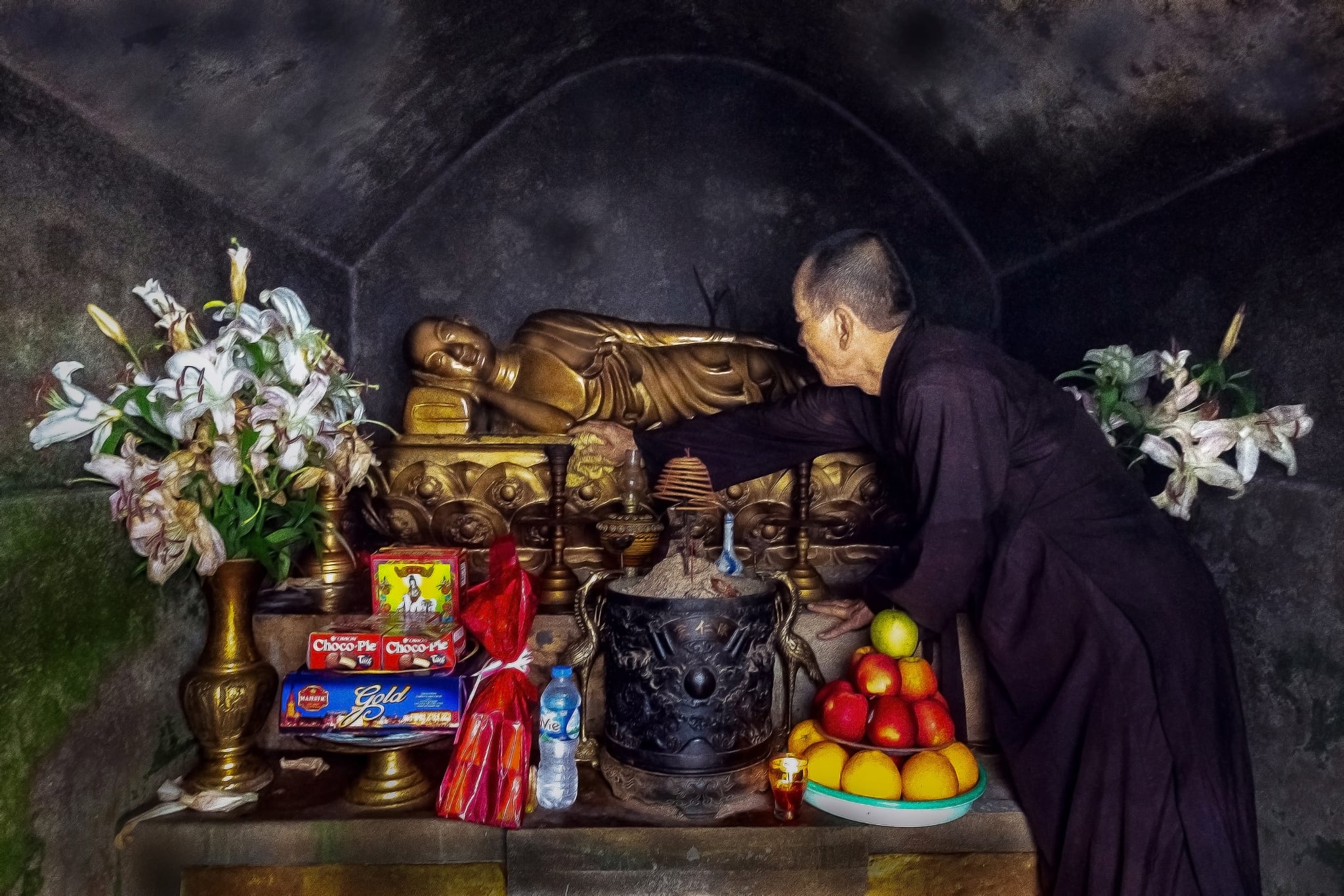
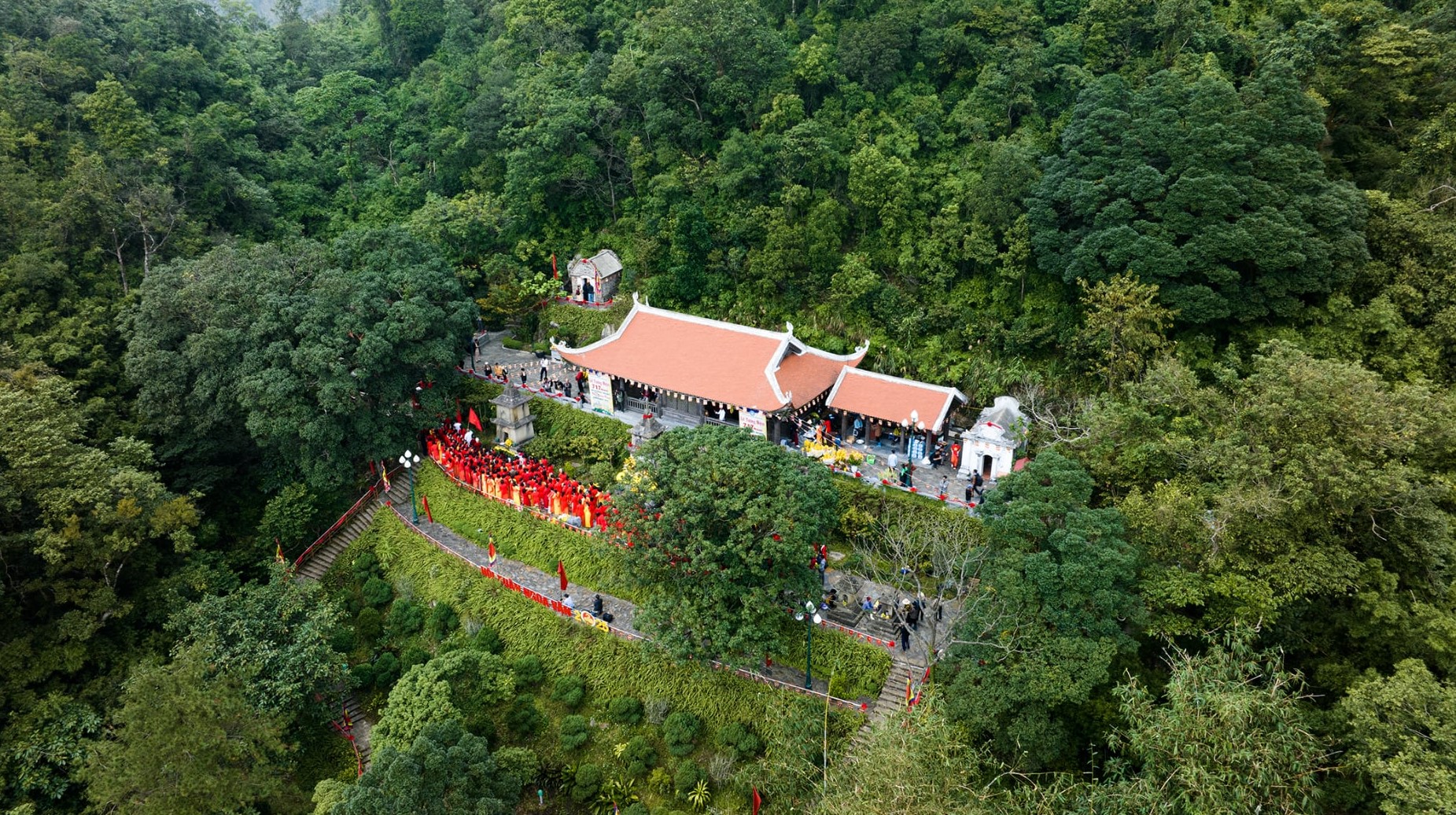
Inside the Hermitage currently sits an altar with a bronze statue of Buddhist Emperor Tran Nhan Tong in the Nirvana posture - an image depicting His most sacred moment. Besides that are the traces of stone embankments forming the foundation of ancient structures, proving a once-bustling architectural complex from the Tran Dynasty, which was renovated during the Later Le period and underwent large-scale restoration in 2014 to have the spacious appearance it does today, while still retaining its inherent ancient and pristine features.
What makes Ngoa Van "remain intact" after 700 years?
The "intactness" of Ngoa Van lies not only in the remaining physical traces, but also in the spiritual values left behind by the Buddhist Emperor, which remain as vibrant as ever today. That is the philosophy of "Living in the world, joyful in the Way" (Cư trần lạc đạo) - finding joy in the religion right amidst the secular world, summarized by Him through the famous poem, generally meaning: living in the world, let things take their natural course and be joyful in the Way; eat when hungry, sleep when tired; the treasure is already in the house, so stop searching far and wide; facing the external world with an unattached mind, there is no need to ask what Zen is.
It is this spirit that makes Ngoa Van not just a historical relic, but a living sanctuary - where every year tens of thousands of people still return to contemplate on letting go, on the path of finding oneself that a king once chose more than seven centuries ago.
Ngoa Van Hermitage today - a pilgrimage journey easier than ever
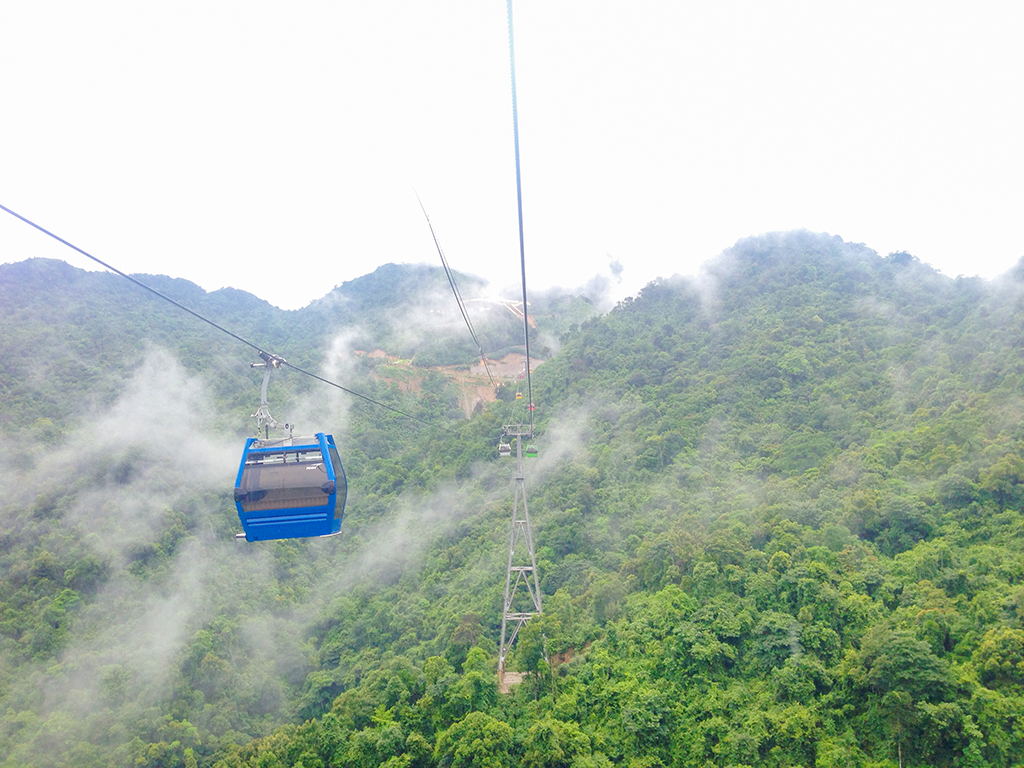
If in the past, to reach Ngoa Van Hermitage, pilgrims had to hike for many hours through steep forest trails, today, a modern cable car system has shortened that journey to only about 10-15 minutes, making the pilgrimage more convenient for all ages while still fully preserving the sacred feeling upon setting foot in the sanctuary.
Every year, exactly on the 1st day of the 11th lunar month, the Vietnam Buddhist Sangha and the authorities of Quang Ninh province organize the Grand Commemoration Ceremony of the day Buddhist Emperor Tran Nhan Tong entered Nirvana, attracting a large number of monks, nuns, Buddhists, and tourists from all over. Besides that, from the 9th day of the first lunar month to the end of the 3rd lunar month, the Ngoa Van Spring Festival is also held with many important rituals such as the spring opening ceremony and prayers for national peace and prosperity, turning this place into the most vibrant spiritual destination every spring.
Conclusion
Over 700 years have passed since the day Buddhist Emperor Tran Nhan Tong peacefully entered Nirvana at Ngoa Van Hermitage, but the values He left behind - from the philosophy of "living in the world, joyful in the Way" to the spirit of national harmony - remain intact to this day. A pilgrimage back to Ngoa Van, venerating the place where He attained Buddhahood, is also a return to listen again to those enduring values amidst the modern pace of life.

 Ngày
31/07/2026
Ngày
31/07/2026


