


A SERENE URBAN ESCAPE: YOUR WEEKEND JOURNEY TO NGOA VAN
Ngoa Van Is Not Just a Beautiful Mountain
Before talking about the journey, one thing must be said: Ngoa Van is not an ordinary check-in spot.

This is the land where over 700 years ago, Buddhist Emperor Tran Nhan Tong the king who led the army and people to defeat the Mongol invaders twice voluntarily left the throne and ascended Bao Dai mountain to build Ngoa Van Hermitage for ascetic practice. And right here, He entered Nirvana, becoming the First Patriarch of the Truc Lam Zen Sect a purely Vietnamese socially engaged Zen lineage that still flows to this day.
"Lying in the clouds" that is the meaning of Ngoa Van. And it is not just a poetic image: this is truly a mountainous region covered in clouds all year round, where you can sit in the ancient hermitage without being able to distinguish what is the sky, what is the mountain, and what is yourself.
Therefore, going to Ngoa Van, even for just one day, is a journey entirely different from an ordinary tourist trip. You don't just see a beautiful place. You feel something inside you change.
Why This Weekend? Why Not Later?
There is a small truth that we often forget: there is never a "perfect time" to rest. There is always one more deadline, one more meeting, one more reason to postpone.
But Ngoa Van is less than 2 hours of travel from Hanoi. You can go and return in the same day departing early in the morning and arriving home by late afternoon. No need to ask for leave. No need to book a hotel room. No need for elaborate planning.
All it takes is a morning decision: I'm going this week!!!
The Journey to Escape the City to Ngoa Van Moment by Moment
Departure When the City is Still Asleep
5:30 - 6:00 AM: Depart from Hanoi via the Hanoi - Ha Long expressway. This is when the city is still empty, the roads are clear, and the sky is turning from purple to pink. Driving while everyone else is still asleep brings a profound sense of freedom.
7:30 - 8:00 AM: Arrive at the Trai Loc area the gateway to Ngoa Van Zen Village, An Sinh Ward, Quang Ninh Province the gateway to Ngoa Van Zen Village. The air is completely different: cool, clear, with a faint scent of pine and early morning mist.
Quick tip: Stop for a few minutes at the foot of the mountain before taking the cable car. Breathe. Let your lungs get used to the new air before your body and mind begin to let go.
Ngoa Van Cable Car Flying Into Another World
The 52-cabin cable car system (Poma, France) takes you from the foot of the mountain up to an altitude of 500-700m in thin clouds. This is the moment many people say they begin to feel lighter not because of climbing a mountain, but because something in their chest starts to loosen up.

Looking down: the deep green pine forest stretches endlessly. Looking up: white clouds drifting leisurely, sometimes the cabin glides straight into the clouds with nothing visible ahead. Looking across: the overlapping mountains of the Yen Tu range, without a single building in sight.
Just these 15 minutes on this cable car alone are something you cannot find in any cafe or resort around Hanoi.
Ngoa Van Pagoda and Hermitage Touching History with Your Whole Soul
Ngoa Van Hermitage where the bronze statue of Buddhist Emperor Tran Nhan Tong in Nirvana posture is placed, is the most sacred point of the entire journey. A small space, ancient curved roofs, incense smoke as thin as mist, and white clouds drifting silently all around.
Many people enter here intending to just stand for a few minutes, then find themselves sitting down without realizing it, not wanting to get up.
Right next to it is Upper Ngoa Van Pagoda built during the Tran Dynasty, restored in 2014 but still preserving its original essence. And a little further away is the Buddhist Emperor Stupa the place preserving his sarira after the cremation ceremony, confirmed by archaeologists after more than 10 years of research.

A little lower on the mountainside (altitude 588-644m) is Middle Ngoa Van Pagoda featuring a "Nhi" (二) character architecture with a statue of the Buddhist Emperor made of red jade. Looking out from the pagoda courtyard, a vast expanse of mountains stretches before your eyes.
If you still have energy and time: Continue climbing Khoi Nguyen Slope a slope cutting through the cool green bamboo forest, hidden in the mist to reach Ban Co Peak, the highest point of Bao Dai mountain. Legend has it that this is where the Buddhist Emperor played a "Chess game of Life" for the endurance of Dai Viet. On clear days, standing on this peak and looking down is an unforgettable sight.
Tea Meditation Amidst the Clouds The Art of Presence
Returning to the Zen Village at the foot of the mountain, you are welcomed with a tea meditation experience in the Truc Lam Zen Hall a rustic space with the lacquer painting "Supreme Wisdom and Freedom" on the wall.
No need to know anything about meditation. No need to sit in the exact posture. Just: sit down, raise the warm teacup with both hands, inhale the tea aroma, and slowly take each sip in silence.
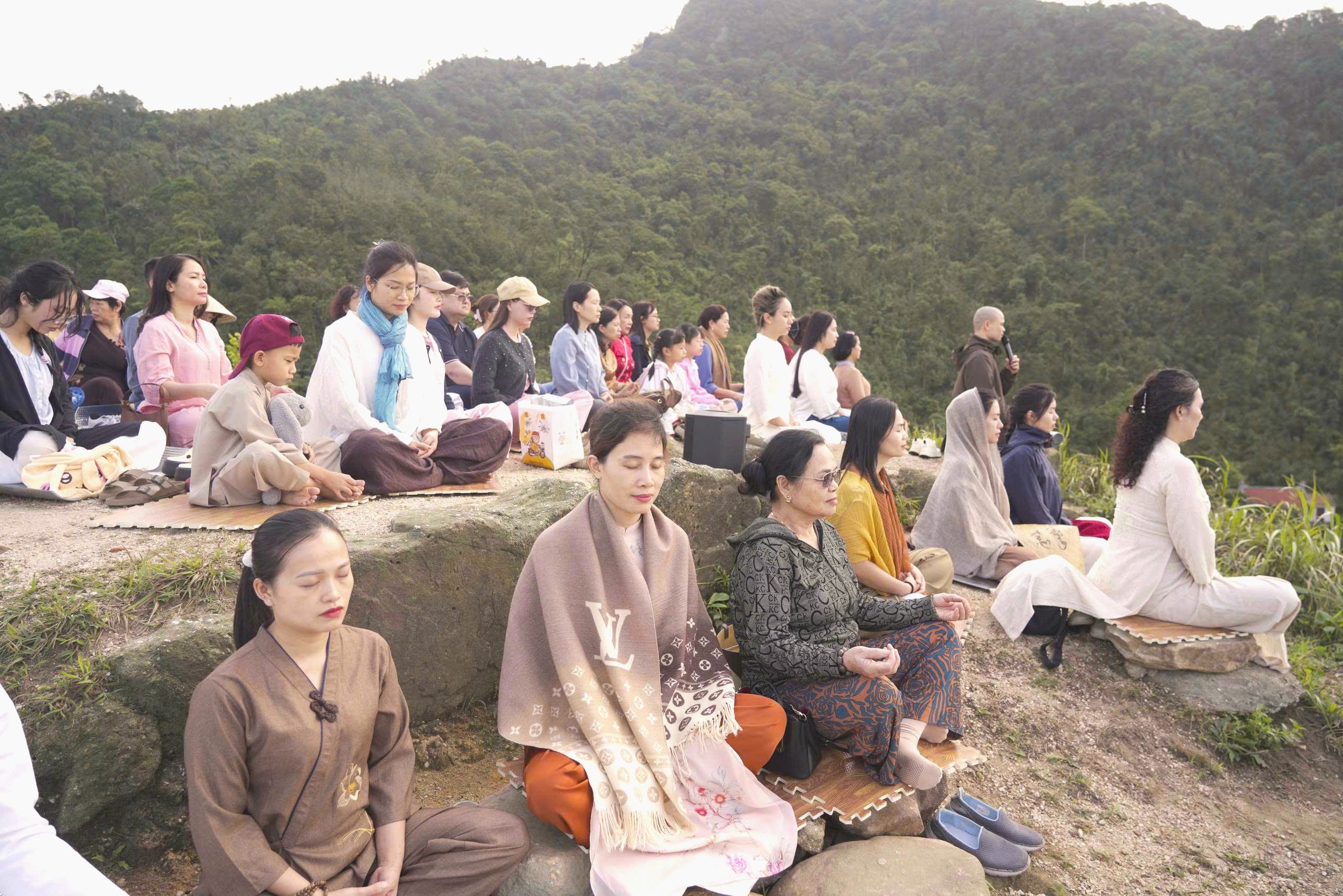
It sounds simple, but this might be the first time in months that you are truly paying attention to what you are doing, instead of doing one thing while thinking about something else.
That is exactly the Truc Lam Zen spirit that the Buddhist Emperor left behind: you don't have to go to a pagoda and sit in full lotus to meditate mindful tea drinking is also meditation, attentive walking is also meditation, and eating while knowing you are eating is also meditation.
Vegetarian Meal at Cho Que Vegetarian Restaurant Eating Slowly is Also a Form of Healing
Lunch at the Zen Village features pure Vietnamese vegan and macrobiotic dishes: wholesome, healthy, light on the stomach yet fulfilling. All ingredients are simple and familiar, but prepared with the mindfulness of a true vegetarian chef.
A pleasant surprise that many first-time guests enjoy: sweet potato vegan pizza and corn pizza a unique combination of modern form and traditional vegan spirit. It sounds unusual, but after tasting it, you will understand why people keep coming back.
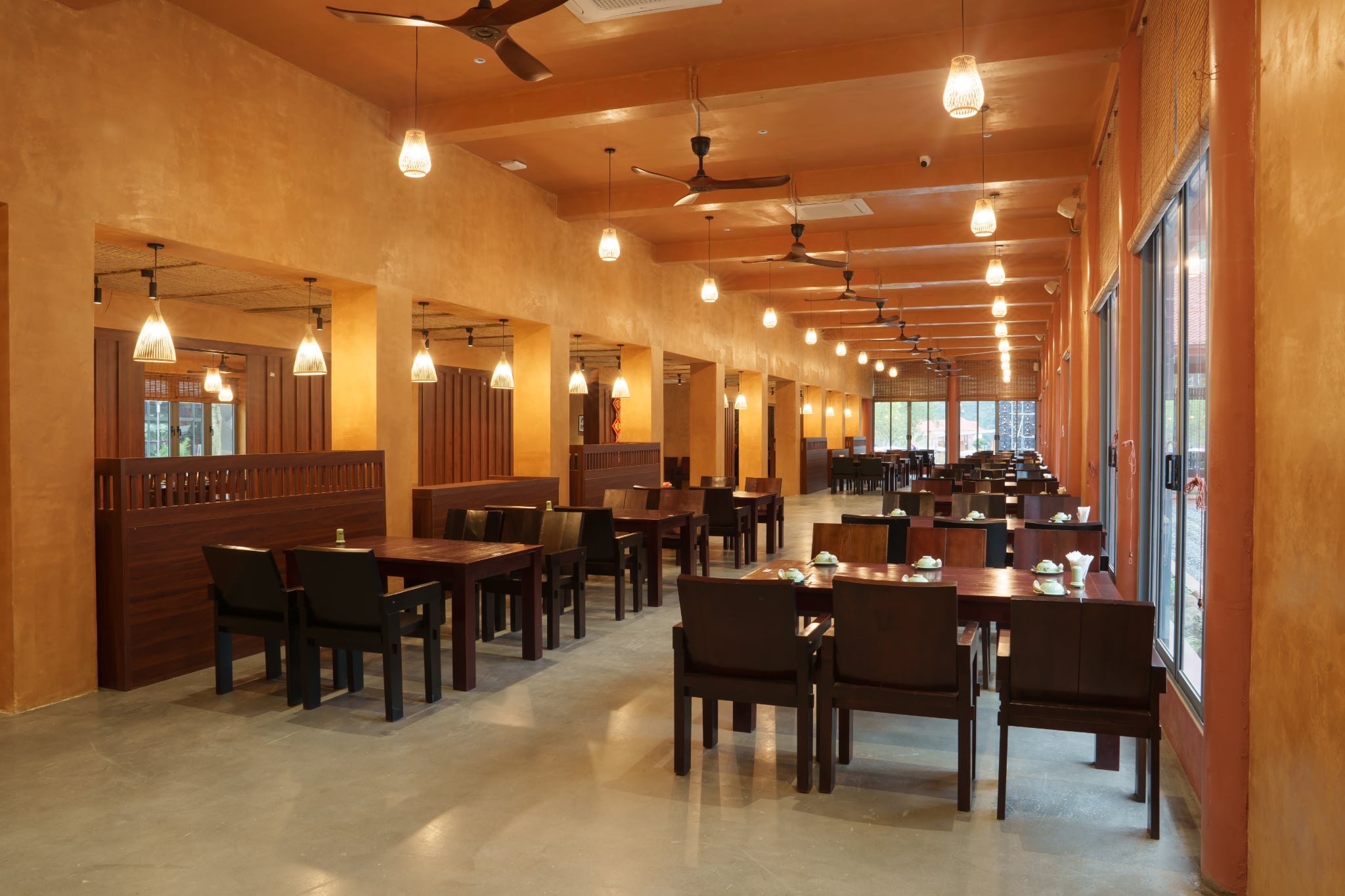
Suggestion: Eat without looking at your phone. Pay attention to the taste of each dish. This is not a cliché "detox" advice this is the simplest way to realize how long it has been since you were truly present during your own meal.
Afternoon Time Doing Nothing is Also Precious Time
This is the part that surprises many people the most: Ngoa Van Zen Village has no mandatory itinerary in the afternoon.
You can stroll in the pine forest, follow the sound of the stream, or sit on a rock by the water. You can engage in Japanese-style forest bathing walking slowly, paying attention to every canopy, every bird song, every breath. You can lie on a hammock between two rows of bamboo and do absolutely nothing.
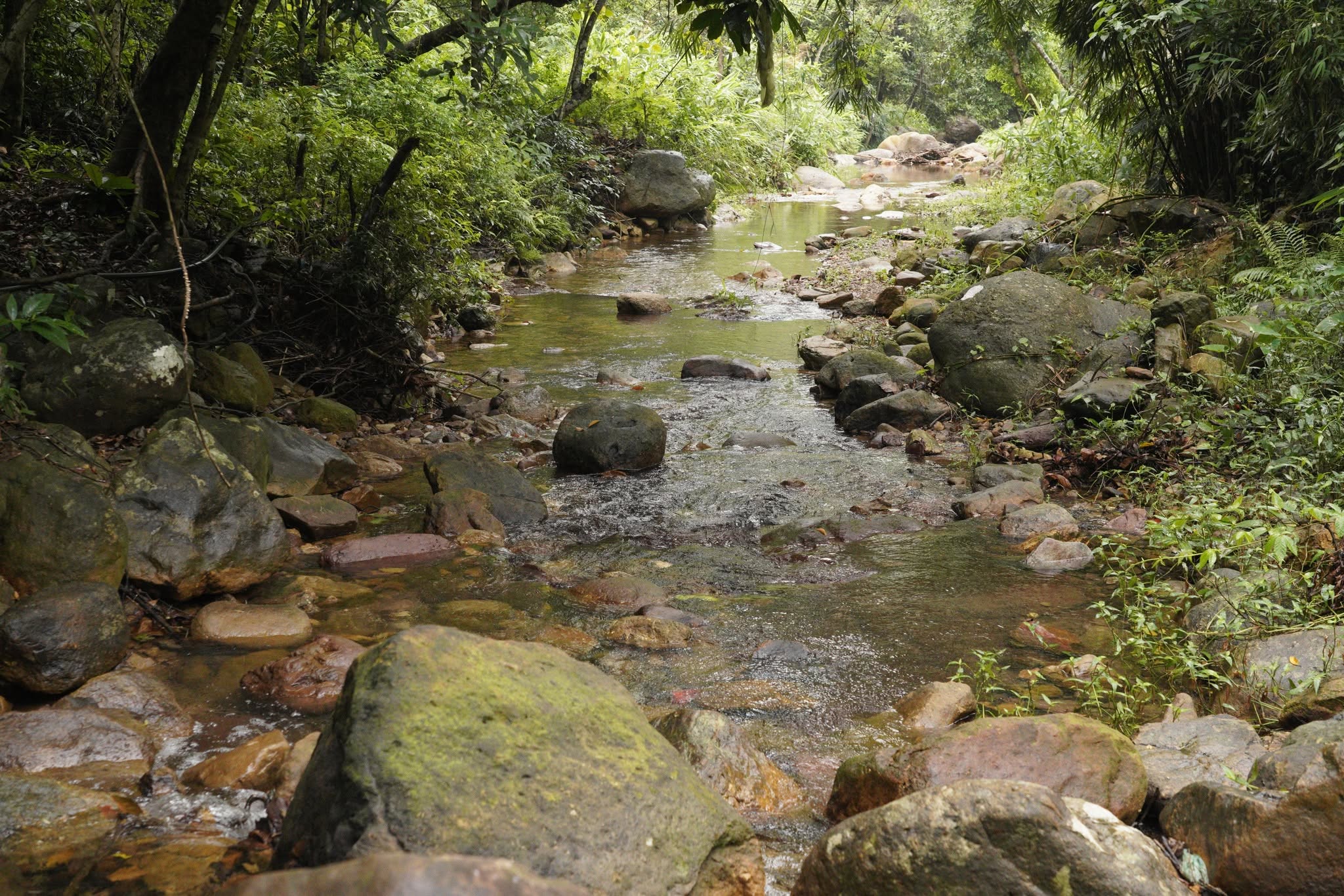
Doing nothing is not being lazy. It is something we almost no longer allow ourselves to do in urban life.
On the Way Back When You Bring Back More Than You Brought Along
4:30 - 5:00 PM: Leave Ngoa Van. 6:30 - 7:00 PM: Arrive back in Hanoi.
Your luggage remains the same. You remain the same. But something has changed it's hard to name, but you will realize it when you find yourself not rushing to the first phone notification after re-entering a strong signal area.
Designer Cao Minh Tien, after his pilgrimage to Ngoa Van, shared: "Perhaps the energy frequency here is incredibly special, so I felt peace and relaxation when immersing myself in the breathing rhythm of pristine nature here."
MC Phan Dang recounted that he felt in Ngoa Van "positive energies to live a kinder life, believe more in beauty, and believe in the ability to master one's mind in the face of all situational changes."
Meritorious Artist Chieu Xuan put it more simply: "I feel my heart drawn to goodness and strangely peaceful."
Three different people. Three different professions. One shared feeling.
Hitting the Road at Ease Things to Know
Departure: Hanoi → Hanoi - Ha Long expressway → Trai Loc area, An Sinh Ward, Quang Ninh Province about 1.5-2 hours.
Ideal time: Depart at 5:30-6:00 AM to go up the mountain at dawn, avoid the crowds, and see the most beautiful morning clouds. Return at 4:30-5:00 PM to be in Hanoi before dark.
Best season: Spring (January-March): mystical clouds and mist, coinciding with the Ngoa Van Spring Festival. Autumn (September-November): clear blue skies, mild sunshine, Ban Co peak offers a clear view of the whole region.
Attire: Polite, modest when entering the pagoda and hermitage area. Flat shoes if you want to hike. A light jacket because it is 5-10 degrees cooler on the mountain than at the foot.
The most important thing to prepare: Turn off phone notifications before getting on the cable car. Ngoa Van will give you much more if you are truly there not just physically there while your mind is still stuck in Hanoi.
Ngoa Van and the Philosophy of Truly Escaping the City
There are two types of "escaping the city".
The first type: changing locations but still bringing everything along screen brightly lit, unanswered inboxes, mind still spinning. You return home as tired as when you left.
The second type, which fewer people can achieve: truly letting go. Not letting go of work forever, but letting go for a few hours. Letting your body and mind rest properly, before coming back and doing better.
Ngoa Van belongs to the second type.
Buddhist Emperor Tran Nhan Tong the one who taught that peace is not to be found far away but right within one's mind chose this land not to escape the world but to reconnect with oneself after all the busyness of the realm.
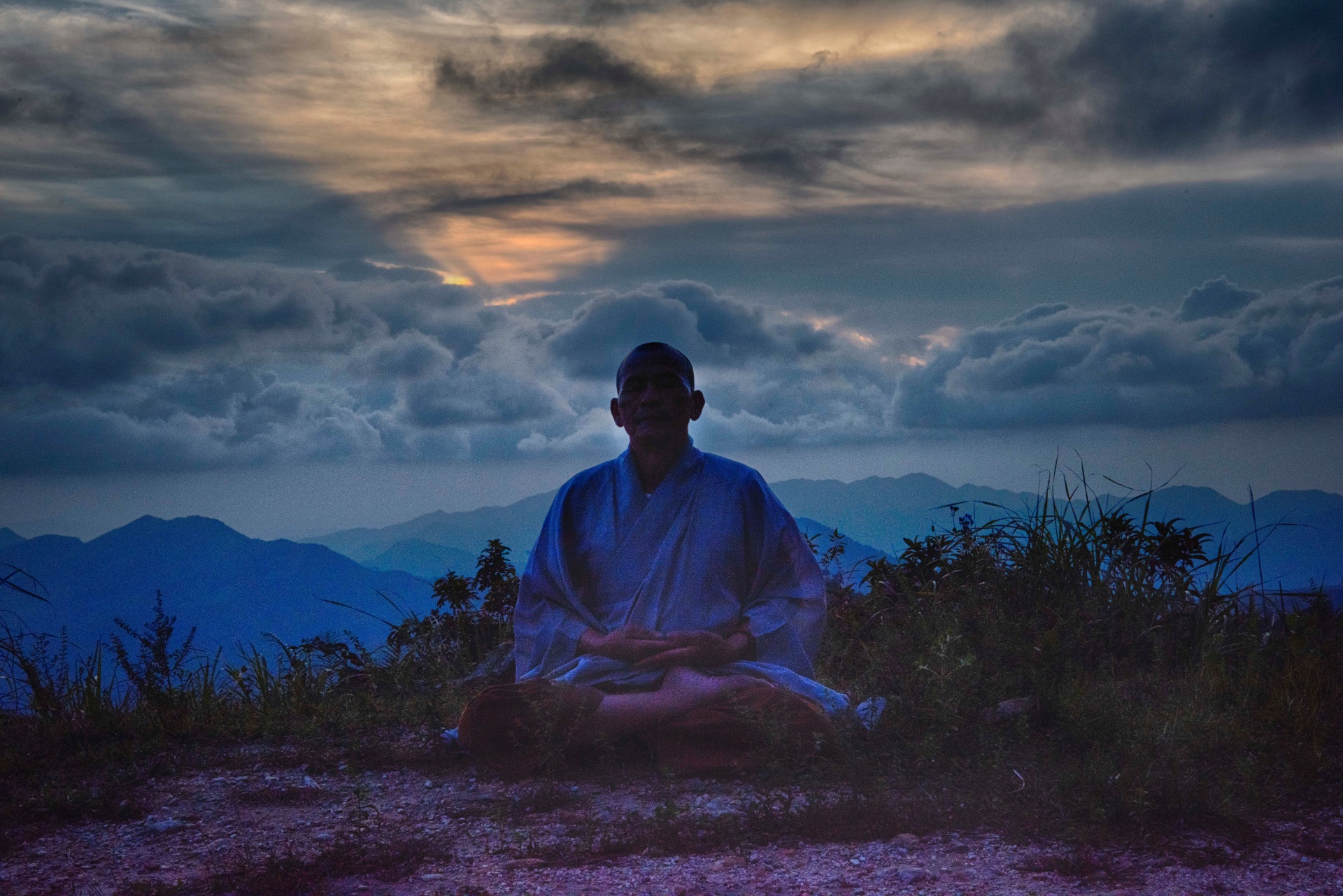
"The treasure is already in the house, stop searching outside. Facing the world with an unattached mind, ask not about Zen."
A day in Ngoa Van does not promise to solve everything. But it will remind you that you don't have to solve everything in one day and that peace and leisure are not things you have to earn but things you are allowed to permit yourself to have.
This weekend do not let it pass by like any other weekend.
Escape the city in the true sense of the word. "Head back to Ngoa Van!!!"
|
* Pilgrimage Information - Practical Guide
* Notes when visiting:
|
- Hotline (Zalo): 0937641080
- Fanpage: Ngoa Van Yen Tu

 Ngày
31/07/2026
Ngày
31/07/2026


